Pitching Bookstores and Literary Festivals: 5 Takeaways
We're thrilled to share the first installment of Book Publicity School Presents, a new series where we sit down with the people on the other side of the pitch: the programmers, producers, and gatekeepers who decide which authors get booked.
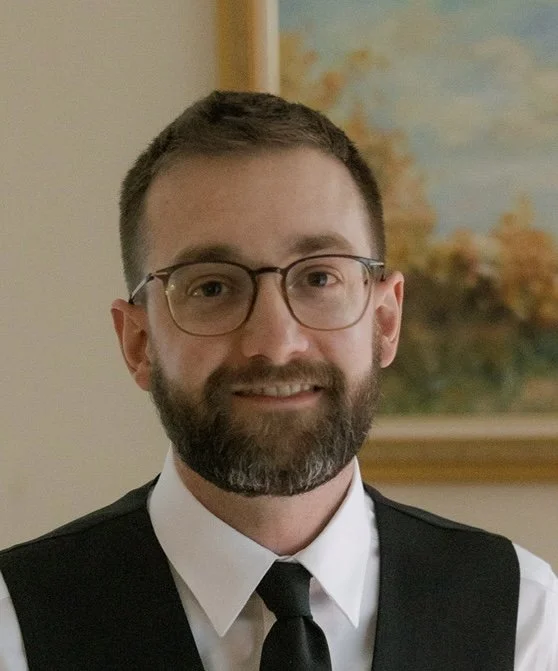
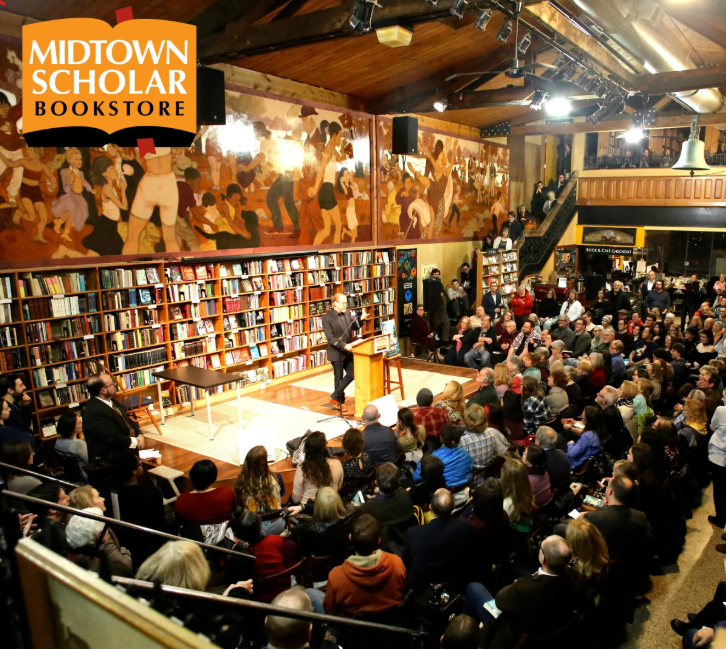
For our first conversation, Leah talked with Alex Brubaker, who spent 10 years as events coordinator at Midtown Scholar Bookstore in Harrisburg, Pennsylvania, and served as executive director of the Harrisburg Book Festival. Under his leadership, Midtown Scholar was named Publishers Weekly's Bookstore of the Year in 2023, and the festival grew to draw about 15,000 people over five days.
Alex has read thousands of event pitches, and he was generous with the details: what gets a yes, what gets an eye-roll, and the small gestures that make a bookstore want to bring you back. Here are five takeaways every author should know.
1. Pitch four to six months out
Most bookstores with active event series want to hear from you four to six months before your event. Alex liked to announce events two to three months ahead, which left a final month to push promotion if attendance numbers looked soft. Three months is workable but tight. Nine months is too early, since no one is planning that far ahead.
2. Tell them how you'll fill the room, and that those people will buy books there
Alex decides within about 15 seconds whether a book suits his audience. For pitches on the fence, what tips it into a yes is an author who shows they understand the partnership: an estimate of how many people they can bring, a plan to promote (email, social media, a newsletter or Substack, word of mouth), and a promise to encourage attendees to buy the book from the store. A room full of friends who already ordered online doesn't help the bookstore that hosted you for free. One underrated addition: include a link to a video of yourself speaking. Coordinators want to know you'll be good on stage.
3. Don't compete with yourself, and don’t link to Amazon
Two mistakes will quickly sour a relationship with an indie bookstore. The first is scheduling several events in the same region, which splits your audience and leaves everyone disappointed. The second is promoting your event with an Amazon link. Always use the bookstore's link, and avoid mentioning Amazon entirely.
4. For festivals, pitch a panel, not just your book
Festivals care more about curation than sales, and most programming is built around panels rather than solo appearances. "Here's my book, will you host me?" rarely works. Instead, come with a timely, compelling topic, explain why you're an authority on it, and bring one or two author friends who've already agreed to join you. A ready-made panel solves a piece of the festival programmer's jigsaw puzzle, and that makes it easy to say yes.
5. Be gracious before, during, and after the event
The details that make an event memorable are often small. Keep any reading to about five minutes and favor a lively conversation with a moderator. Don't give away your ending. Say hello to the booksellers working the event, since they're the ones who will hand-sell your book long after you leave. Take your time in the signing line. Afterward, post photos and a thank-you tagging the store, and send the events coordinator a quick note. Alex regularly invited authors who were kind and professional back as moderators for other events, which kept their own books selling for months.
Want the full conversation? Watch the complete interview with Alex Brubaker here.
Have questions about pitching bookstores or festivals? Hit reply. We'd love to hear from you, and your questions may shape future episodes of Book Publicity School Presents.